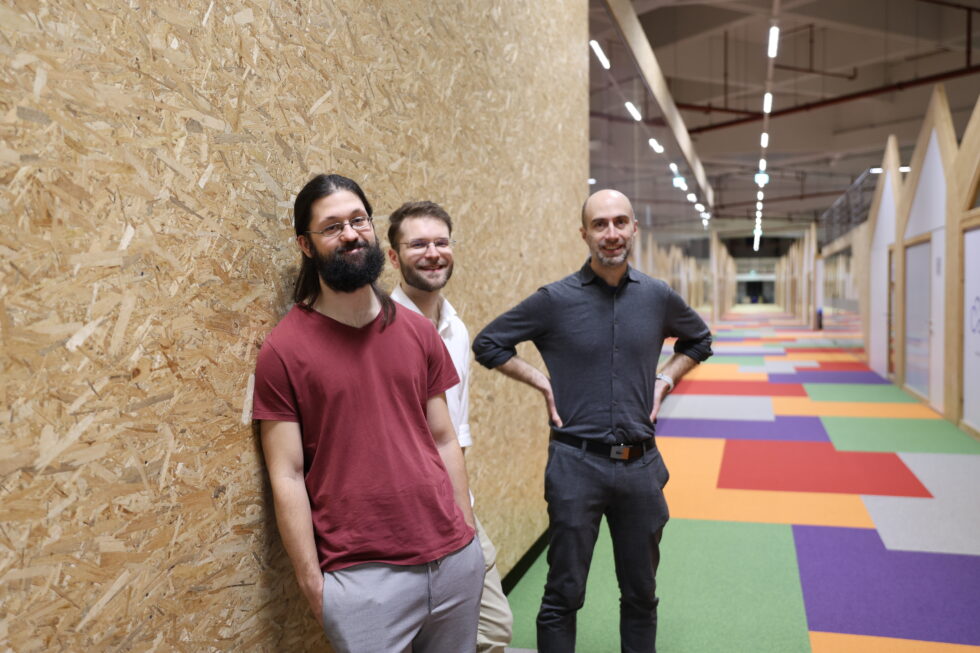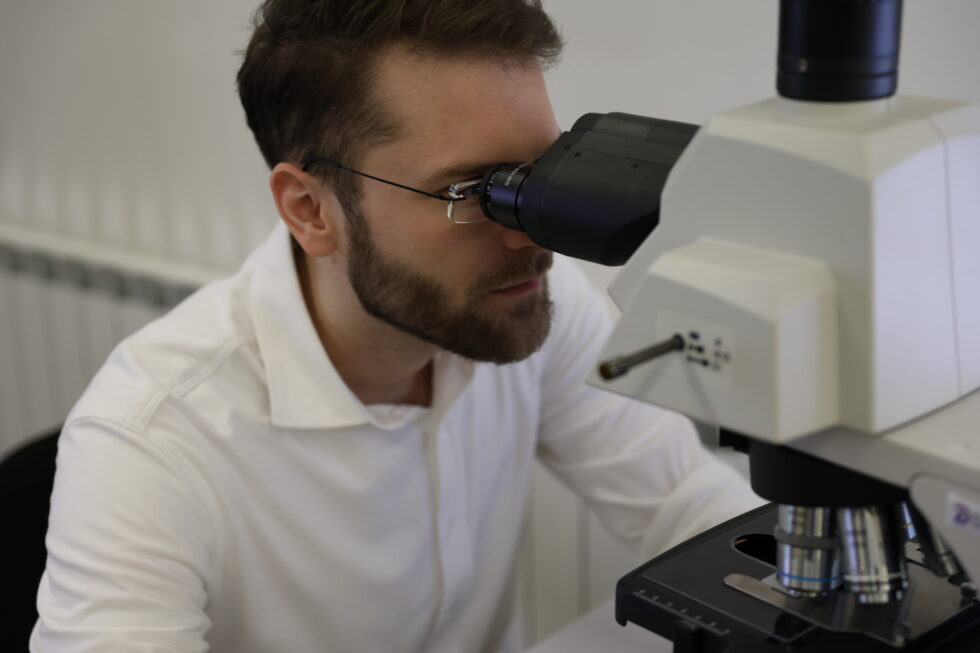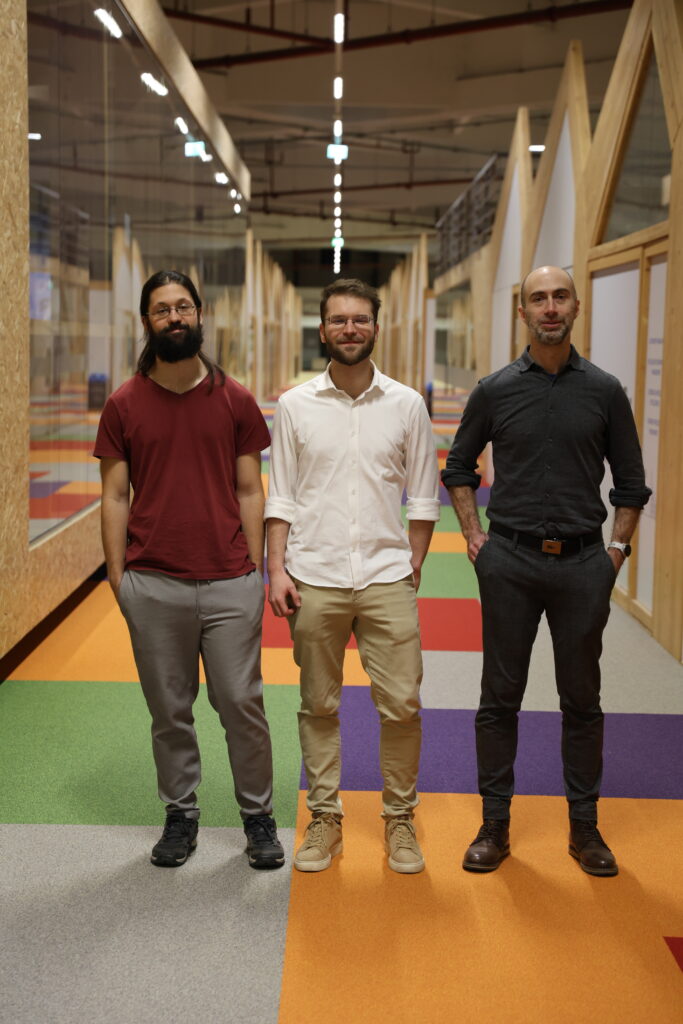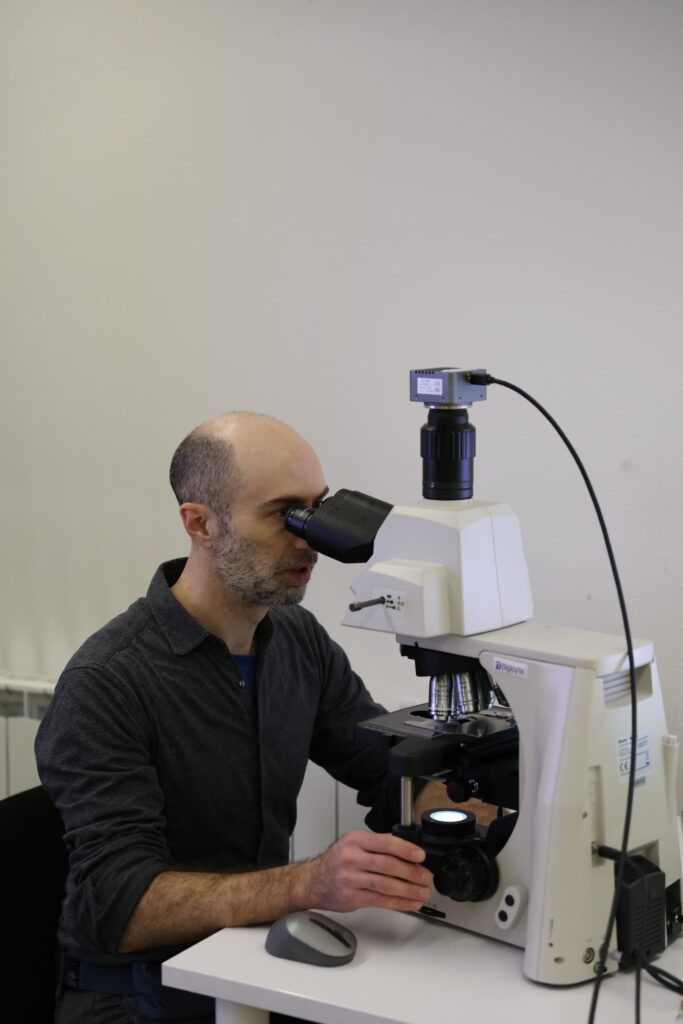
Croatian deep-tech company Digicyte is developing technology for faster and non-destructive biopsy analysis. Through AI4Health.Cro’s networking service, the company gained access to the clinicians, scientists and healthcare experts who are essential for bringing such innovation closer to real-world use.
Modern cancer diagnostics is facing a difficult imbalance. Therapies are becoming more precise, personalised and time-sensitive, while some of the core processes in pathology still rely on workflows that can take days and include destructive steps in tissue preparation.
Digicyte is developing a solution for precisely that gap.
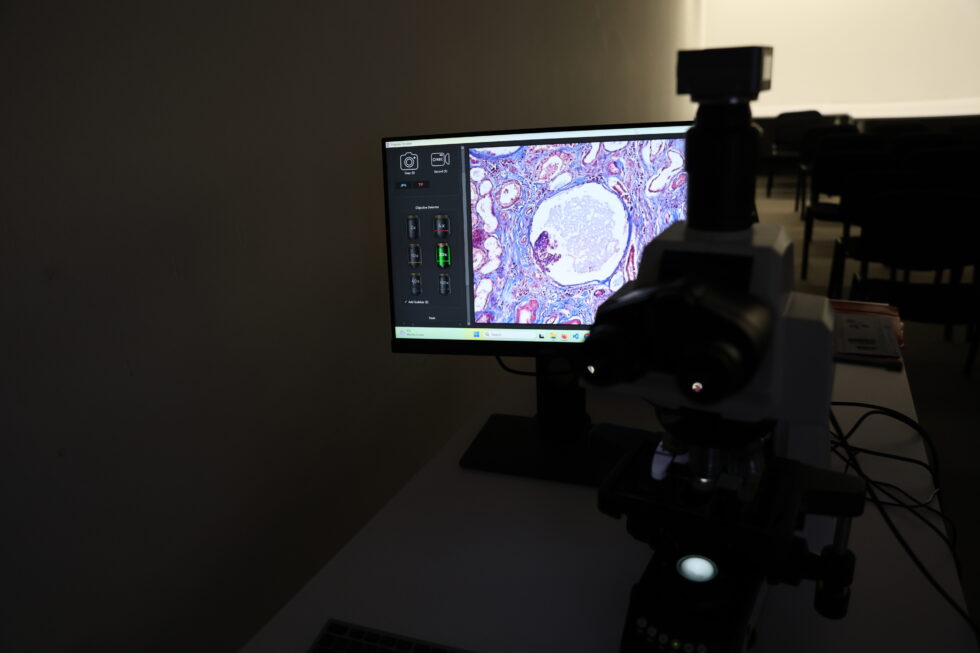
The Croatian company is working on a microscopy-based technology that enables fast, non-destructive analysis of fresh tumour biopsies. The aim is to give pathologists earlier diagnostic insight while preserving the same tissue sample for standard diagnostic procedures that may follow.
Its approach combines infrared fluorescence microscopy, advanced image processing and artificial intelligence. The system is designed to analyse fresh biopsy samples in around 30 minutes, while keeping the sample intact. One of its key features is an algorithm that reconstructs a familiar H&E-like view from black-and-white infrared images, giving pathologists diagnostic information in a format they already use, but much earlier in the process.
What makes Digicyte’s story especially relevant is that the company did not start from technology in search of a problem. Its development began in direct contact with clinical users. Early work was carried out at the Faculty of Veterinary Medicine in Zagreb, where the team developed software with continuous feedback from pathologists.
That clinical proximity shaped the product from the beginning. Digicyte’s focus is not only on image analysis or AI performance, but on the everyday user experience of microscopy: reducing unnecessary manual steps, improving image quality and making the software work quietly in the background so that clinicians can focus on interpretation.
The company has also developed innovations that improve image resolution and usability, including sparse deconvolution in standard brightfield microscopy and real-time focus stacking optimised for microscopy workflows. These advances are designed to give cytologists, haematologists and pathologists access to clearer, more reliable visual information.
At this stage, Digicyte already had a mature technology and a clear product direction. This is where the role of AI4Health.Cro becomes important in a different way.
For companies developing AI and deep-tech solutions in healthcare, the challenge is often not only how to build the technology. It is how to reach the right users. In healthcare, those users are not easy to access. Clinicians, scientists, hospitals, laboratories and expert communities operate in highly specialised environments, and meaningful contact with them usually requires trust, relevance and the right institutional connections.
Through AI4Health.Cro’s networking service, Digicyte gained access to precisely that kind of environment.
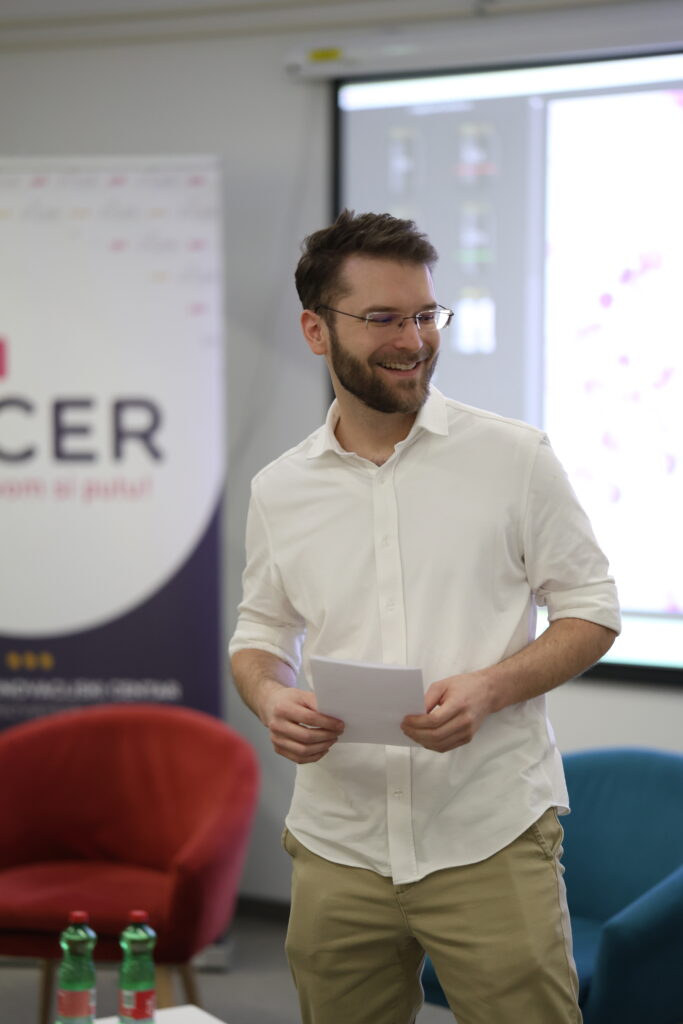
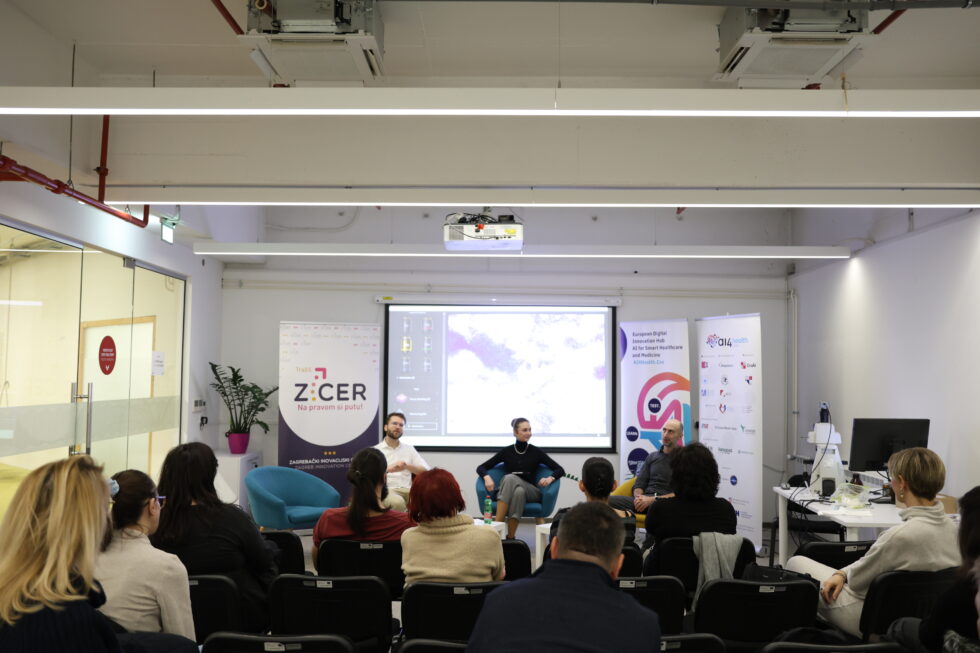
At the end of January, AI4Health.Cro supported the organisation of the event “Innovation Pushing the Boundaries of Microscopy” at ZICER.
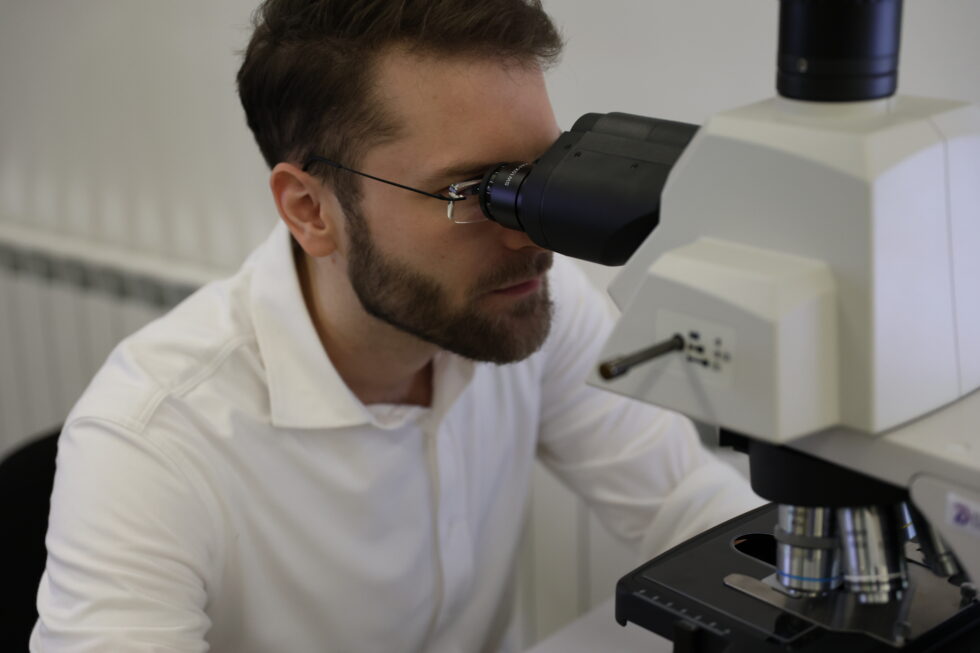
The event brought together cytologists, pathologists and other experts interested in the use of artificial intelligence in healthcare. Participants had the opportunity to see Digicyte’s technology, test the microscope and exchange direct feedback with the team behind the solution.
This kind of access is difficult for a startup to create alone, even with a strong product. AI4Health.Cro’s value lies in its ecosystem: a consortium and partner network that connects companies with clinicians, scientists, healthcare institutions, researchers and innovation stakeholders who can assess whether a solution responds to real needs.
For Digicyte, that meant bringing its technology in front of people who understand the diagnostic challenge from practice. For clinicians and scientists, it meant early access to a technology that could change how fresh tissue samples are assessed before standard processing. For the wider healthtech ecosystem, it showed how networking can help move a promising solution from product readiness toward clinical relevance and market visibility.
The event also confirmed an important point about innovation in healthcare: adoption rarely depends on technology alone. It depends on evidence, trust, user feedback and relationships with the people who will ultimately use or evaluate the solution.
The company’s growing user base in hospitals, private laboratories and academic institutions in Croatia, Slovenia and Austria suggests that the need is real. Its technology points to a future in which diagnostic decisions could be supported earlier, with less pressure on limited tissue samples and with tools designed around the daily work of pathology.
For AI4Health.Cro, Digicyte is an example of how support for digital health innovation does not always mean starting from the first idea. Sometimes the most important support is helping a company with a strong solution reach the people it could serve.
That is where networking becomes more than visibility. It becomes part of the innovation process itself, connecting technology with users, clinical insight with product development, and Croatian healthtech companies with the expert communities that can help them grow.